
Construction contractor website design
Websites that get contractors on the bid list
General contractors, facility owners and developers check your website before they invite you to bid. HDS builds construction contractor sites that show your project history, crews, equipment and safety record clearly enough to make the list.
$3,500 fixed · about four weeks · copy written for you · $199/month care
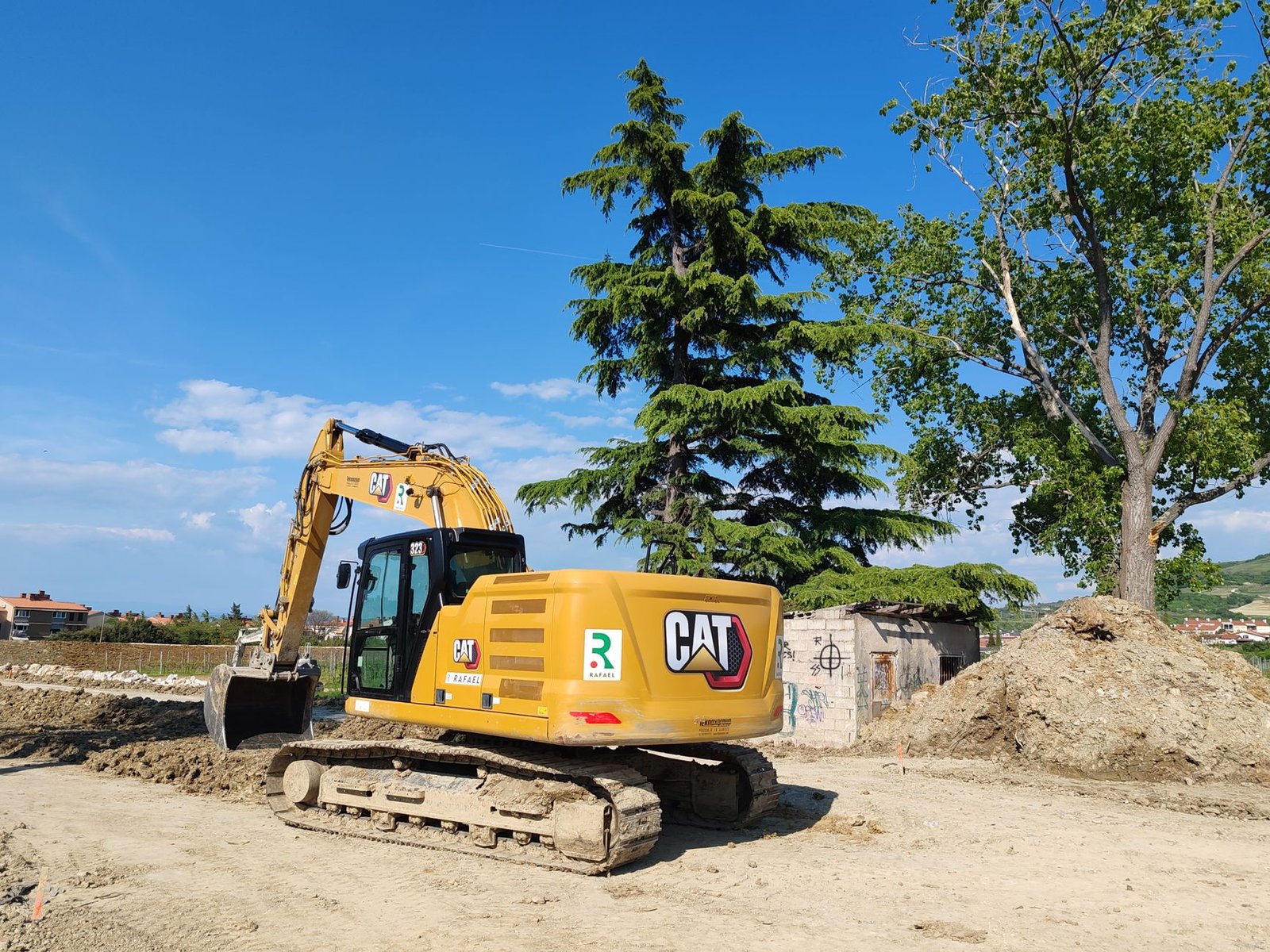
Stock photo (Pexels), not a client project.
What it looks like
A contractor homepage built for estimators
Estimators and owners are not browsing. They are checking whether you fit the job. This concept puts sectors, safety and the bid invitation within one click.
- 01 Projects grouped by sector, with scope and location
- 02 Safety and prequalification documents easy to find
- 03 A bid invitation path that accepts plans
Commercial and industrial construction
Concrete, site work and steel erection across your region.
Invite us to bid View projectsPrequalification
Put the bid packet on the website
Owners and general contractors ask the same questions before every invitation. When the answers are already on your site, you look like the easy choice.
Run a machine shop or fabrication plant instead? See manufacturing website design in Michigan.
Prequalification Checklist
- Safety program and training Safety page
- Insurance and experience modifier Available on request
- Bonding capacity Safety page
- Licenses and certifications About page
- Project list by sector Projects
- Key people and crews About and Careers
Where each item can live on a contractor site.
Proof from a Mid-Michigan company
Built for companies that work on job sites
HDS's closest launched work to construction is EK Disposal Services, which handles construction and demolition dumpsters across Mid-Michigan. Counted from every quote request EK's website form sent to the owner, tests removed. Website only: phone calls, texts and other contact are not included.
Read the EK case study93
EK quote requests through the website, Feb to Oct 2026 (website form only)
$32,725
Quoted through EK's website form, Apr 29 to Oct 19, 2026
#1
Organic search is EK's top traffic source: 887 of 1,283 visits, Jul 19 to Oct 16, 2026 (GA4)
Can the site accept plans and bid invitations?
Yes. Forms can accept file uploads such as PDFs and drawings and route them to your estimator.
Do you build careers pages?
Yes. Hiring is a constant for most contractors, so a careers page with real crew photos is part of the plan when you need it.
Have you built for construction companies?
HDS's closest launched work is EK Disposal Services, which handles construction and demolition dumpsters. Contractor-specific examples will be added as those projects launch.
How much does the website cost?
The rebuild is $3,500 fixed for six pages, with copy written for you, in about four weeks. Payments are $1,750 to schedule the project, $875 at copy approval and $875 before launch. The $199/month care plan is required for the first six months, then month to month.
How long does it take?
About four weeks once your inputs and access are in: kickoff and a 60-minute interview in week one, copy approved in week two, the build in week three, and review, fixes and launch in week four.
What clients say
Five-star reviews from real business owners
★★★★★
The final website looks professional, loads lightning-fast, ranks well in local searches, and has already started generating more qualified leads and booked jobs. It's not just a pretty site, it's a revenue-generating machine that works around the clock.
★★★★★
Brendan is very professional and knows how to tailor his services to the customer's exact needs. He is very knowledgeable and knows how to get the job done right and can be counted on to help your business succeed.
★★★★★
This is the best company I've ever worked with. Brendan the owner is super knowledgeable and dedicated to the success of his customers. I would definitely recommend this company to anyone looking to improve their company's output.
See your site the way a customer does
Get a free 3 to 5 minute recorded review of your site and Google listing. If a rebuild makes sense: $3,500 fixed, about four weeks, copy written for you.
USAF veteran-owned · Based in Alma, Michigan · Copy written by a person