
HVAC website design
HVAC websites built for the no-heat call
When the furnace quits, people search on a phone and call the first company that looks reliable. HDS builds HVAC websites that put emergency service, financing and the phone number in front of that customer immediately.
$3,500 fixed · about four weeks · copy written for you · $199/month care
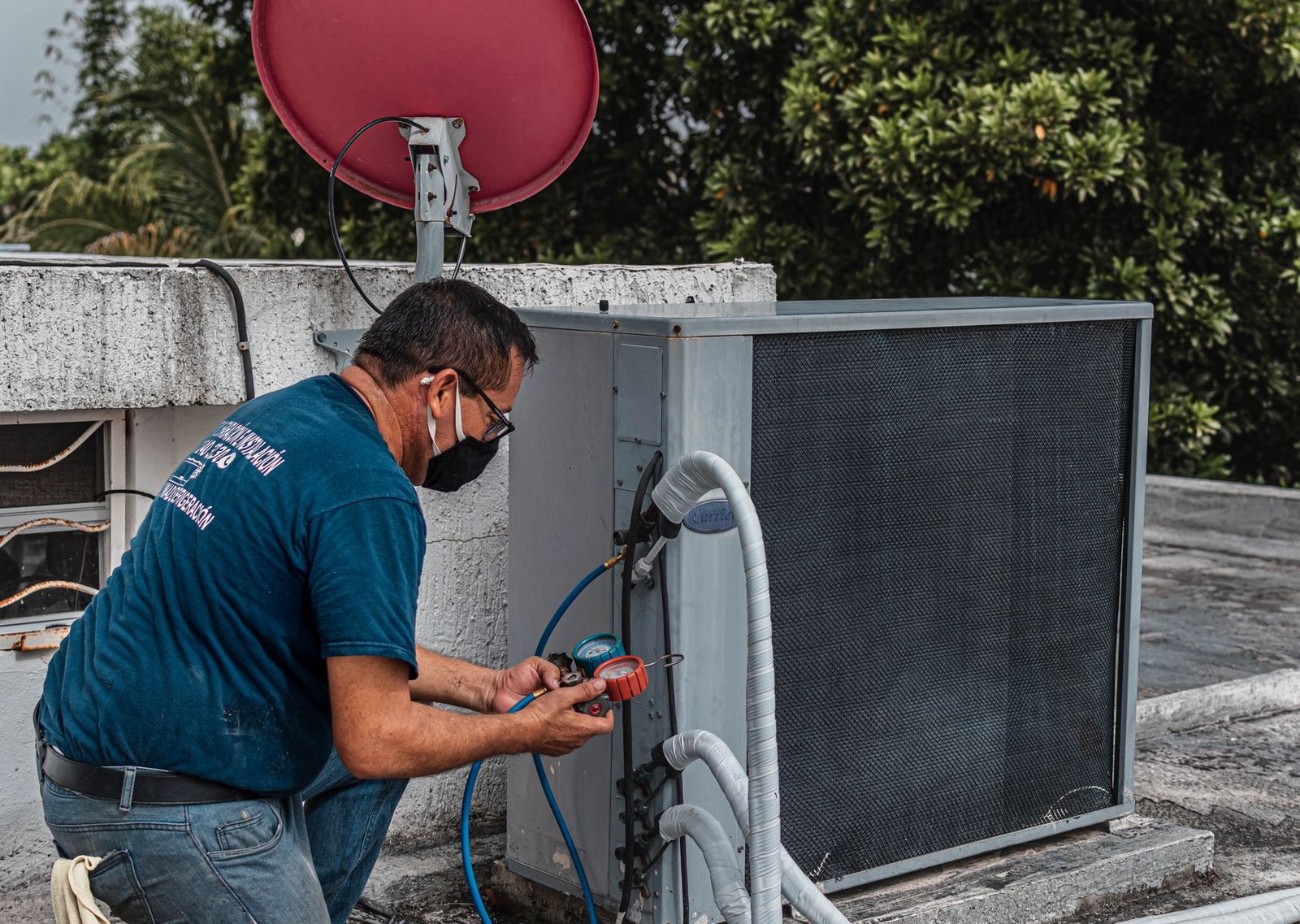
Stock photo (Pexels), not a client project.
What it looks like
An HVAC homepage, laid out for the 2 a.m. search
This concept shows how an HVAC site is structured. The emergency line sits above everything, the repair pages follow, and planned work like replacements and maintenance plans has its own path.
- 01 Emergency availability in the header of every page
- 02 One page each for furnace, AC, heat pump and maintenance
- 03 Financing and estimates for replacement shoppers
No heat? Emergency service, call now
Furnace repair in your town
Licensed technicians, upfront pricing and same-day service when you need it.
Call now Schedule serviceRight now
"The furnace just quit."
This customer will call the first company that looks open and close. The site has one job: get them on the phone.
- Tap-to-call on the first screen
- Emergency hours stated clearly
- The towns your trucks reach
This season
"Our AC is 18 years old."
This customer is pricing a replacement or a maintenance plan. They read, compare and come back. The site has to earn the estimate.
- Equipment options and financing
- Maintenance plan details and sign-up
- A short estimate request
Proof from a Mid-Michigan service business
The same structure, measured
HDS has not launched an HVAC client site yet. Its strongest measured result comes from EK Disposal Services, a Mount Pleasant service company. Counted from every quote request EK's website form sent to the owner, tests removed. Website only: phone calls, texts and other contact are not included.
Read the EK case study93
EK quote requests through the website, Feb to Oct 2026 (website form only)
$32,725
Quoted through EK's website form, Apr 29 to Oct 19, 2026
#1
Organic search is EK's top traffic source: 887 of 1,283 visits, Jul 19 to Oct 16, 2026 (GA4)
Have you built an HVAC site before?
Not yet. HDS has built for service businesses like dumpster rental and lawn care, and an HVAC site uses the same pattern: urgent calls up front, a page per service and a page per town. HVAC examples will be added here as those projects launch.
Can the site show emergency hours differently?
Yes. Emergency availability can sit in the header and on every repair page, separate from regular office hours.
How much does the website cost?
The rebuild is $3,500 fixed for six pages, with copy written for you, in about four weeks. Payments are $1,750 to schedule the project, $875 at copy approval and $875 before launch. The $199/month care plan is required for the first six months, then month to month.
How long does it take?
About four weeks once your inputs and access are in: kickoff and a 60-minute interview in week one, copy approved in week two, the build in week three, and review, fixes and launch in week four.
Do you write the copy?
Yes. Every page is written by a person, based on your intake and how your customers search. You review it on the revision call before launch.
What clients say
Five-star reviews from real business owners
★★★★★
The final website looks professional, loads lightning-fast, ranks well in local searches, and has already started generating more qualified leads and booked jobs. It's not just a pretty site, it's a revenue-generating machine that works around the clock.
★★★★★
Brendan is very professional and knows how to tailor his services to the customer's exact needs. He is very knowledgeable and knows how to get the job done right and can be counted on to help your business succeed.
★★★★★
This is the best company I've ever worked with. Brendan the owner is super knowledgeable and dedicated to the success of his customers. I would definitely recommend this company to anyone looking to improve their company's output.
See your site the way a customer does
Get a free 3 to 5 minute recorded review of your site and Google listing. If a rebuild makes sense: $3,500 fixed, about four weeks, copy written for you.
USAF veteran-owned · Based in Alma, Michigan · Copy written by a person